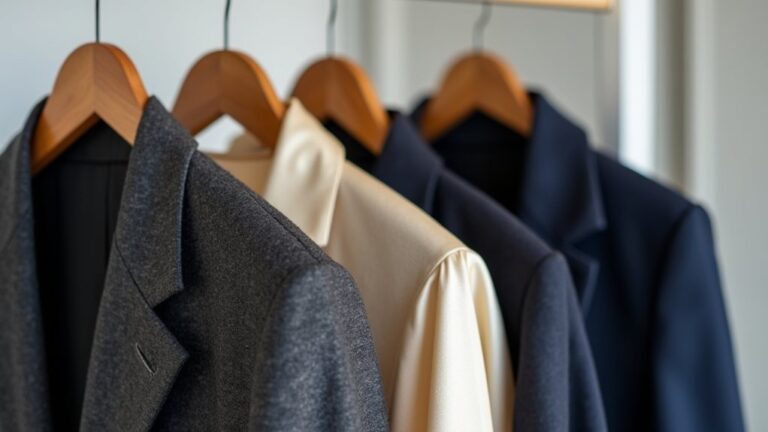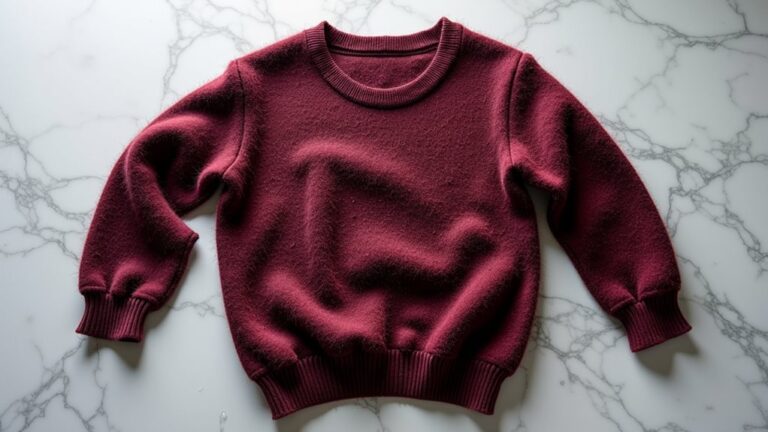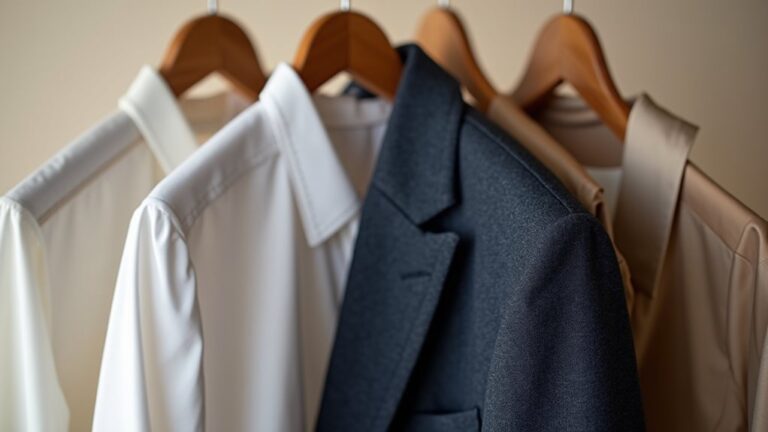
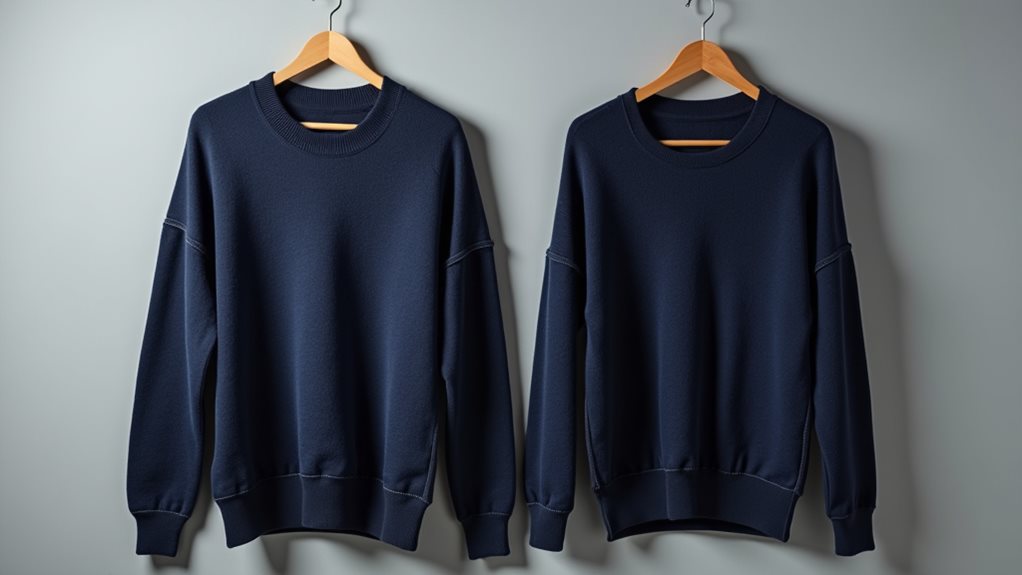

Your clothes won’t shrink with dry cleaning like they would in your washing machine, since the chemical solvents used never cause fibers to swell and contract the way water does. I’ve learned this the hard way after ruining several wool sweaters at home! Professional dry cleaners use gentle tumbling motions and controlled temperatures, making the process much safer for delicate fabrics like silk, wool, and structured garments that would otherwise suffer from hot water and aggressive agitation—though understanding which specific fabrics need extra care can save you from unexpected surprises.
Understanding the Science Behind Fabric Shrinkage
When I first started taking my favorite wool sweater to the dry cleaner, I’ll admit I was pretty nervous about whether it would come back looking like it belonged to my little nephew instead of me 😅.
I was terrified my beloved wool sweater would return from the dry cleaner looking like doll clothes instead of adult clothing.
Here’s what I learned about shrinkage: it happens when heat and agitation cause individual fibers to contract, which is why natural fibers like cotton and wool are more vulnerable than synthetic fibers.
The beauty of dry cleaning lies in its use of solvents instead of water, avoiding the fiber swelling that leads to tightening. While the cleaning process involves some heat and mechanical action, it’s considerably gentler than traditional washing.
Plus, many fabrics are pre-shrunk during manufacturing, giving you extra protection against unwanted size changes.
Reputable dry cleaners use controlled temperatures and professional-grade equipment specifically designed to preserve your garment’s original shape and size throughout the cleaning process.

Safely clean your special care clothes at home

Rapid Refresh Technology: Clean, deodorize, and remove wrinkles in hand-wash or dry-clean-only clothing in minutes with the at-home dry cleaning kit. A single dryer-activated cleaning cloth is all it takes to leave clothes clean, refreshed and ready to wear in 20 minutes

So long, dry cleaning! Full-size, 3-piece kit for expert at-home care of fine knitwear & delicates. Great holiday gift to accompany sweaters, silk or lingerie.
How Dry Cleaning Differs From Traditional Washing Methods
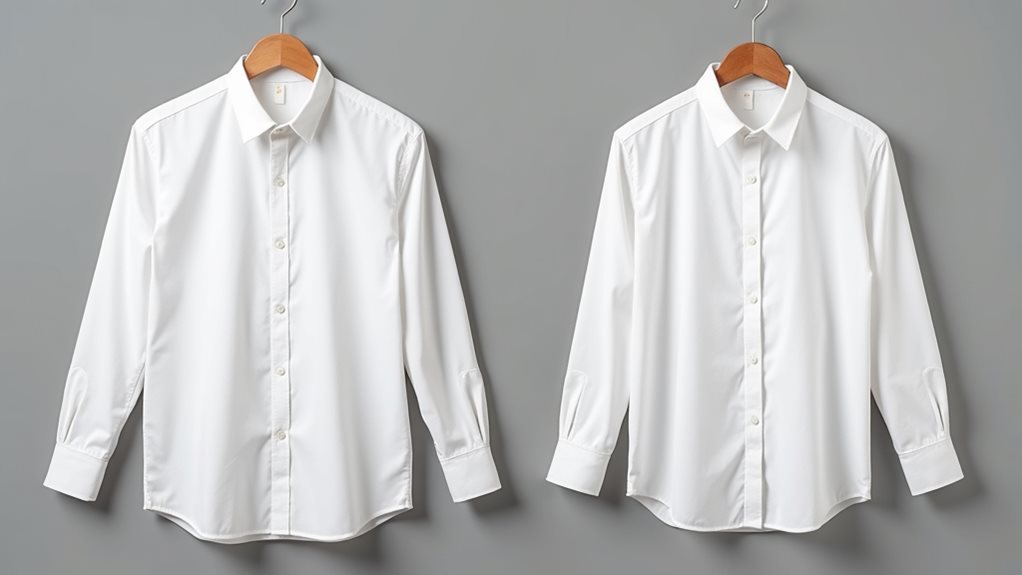
Now that you understand why fabrics shrink, let’s look at exactly how dry cleaning protects your clothes in ways that your home washing machine simply can’t match.
Unlike traditional washing methods that rely on hot water and aggressive agitation, dry cleaning uses chemical solvents that eliminate shrinkage-causing moisture entirely.
Your washing machine churns clothes around like a tiny tornado, creating mechanical stress that contracts fibers, while professional dry cleaners employ gentle tumbling motions that treat delicate fabrics with respect.
The real game-changer? Dry cleaning avoids the high heat from dryers that makes garment shrinkage almost inevitable at home.
This chemical solvent approach is particularly beneficial for maintaining the original size and shape of structured clothing, wool, and silk garments that would otherwise be damaged by water-based washing.
It’s honestly amazing how this gentler approach keeps your favorite pieces looking exactly the same, wash after wash!
Which Fabric Types Are Most Vulnerable to Shrinkage
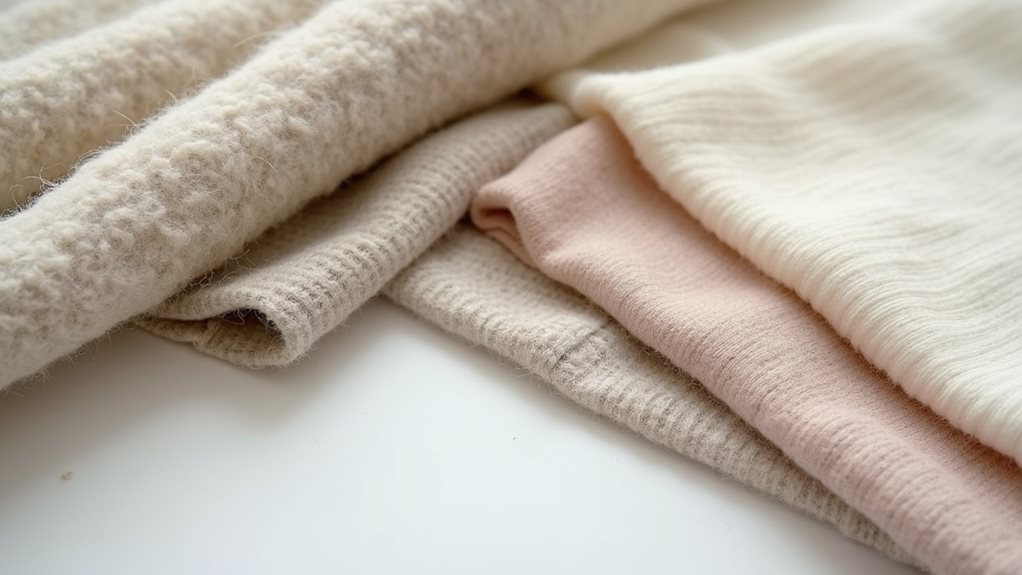
The fabric that makes up your favorite garments can literally make or break your relationship with the dry cleaner, and honestly, I learned this the hard way when my beloved cashmere sweater came back from an inexperienced cleaner looking like it belonged to my nephew!
Natural fibers like cotton, wool, and linen are the divas of the fabric world—they’ll shrink faster than you can say “oops” when exposed to heat or improper handling.
Synthetic fibers such as polyester are much more forgiving, though they’re not completely bulletproof against high temperatures.
If you’re shopping smart, look for pre-shrunk clothes that have already been through the shrinkage process, because prevention beats disappointment every single time! 😊
Certain materials like wool, silk, and some synthetic blends are particularly susceptible to shrinkage during dry cleaning, especially if the garment wasn’t properly pre-shrunk during manufacturing.

【Fabric & Comfort】: The wool blend fabric makes this knit crewneck sweater warmer and lighter. Soft touch create a comfortable wearing experience. A perfect addition for sweater guys fall winter wardorbe.

Size Selection: This cashmere sweater undergoes a precision pre-shrinking process. The initial relaxed drape is intentionally designed to accommodate the natural shape of the fibers, ensuring a perfect fit after gentle machine washing. Please refer to our size guide and confidently choose your usual size

Premium Wool & Cashmere Blend: Crafted from a premium blend of 85% Merino Wool and 15% Cashmere, the fine-knit feels soft with a smooth, lightweight hand and refined texture, cozy, warm yet not bulky, breathable and moisture-wicking, high stretchy, ensuring comfort that lasts from morning to night without overheating
Common Misconceptions About Dry Cleaning and Shrinkage
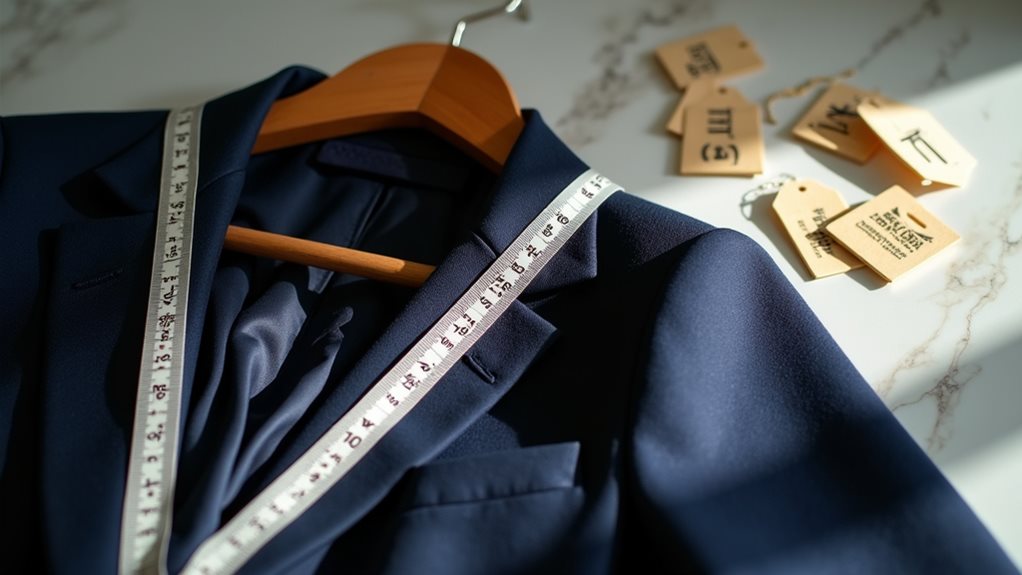
Why do so many of us still believe that dry cleaning is basically a guaranteed shrinkage sentence for our favorite clothes, when honestly, it’s one of the gentlest cleaning methods available?
These common misconceptions about dry cleaning services have haunted us for decades, making us unnecessarily paranoid about professional care.
Let me clear up these myths that keep you stressed about shrinkage:
- Chemical solvents used in cleaning differs dramatically from water-based washing that heat causes damage
- Professional dry cleaners are specifically trained to prevent shrinkage, especially with delicate garments
- Natural fibers like wool actually benefit from professional handling versus home laundering
- Once shrunken clothes won’t shrink further through proper dry cleaning methods
- Expensive items receive specialized care, not harsher treatment
Always check care labels before choosing your cleaning method to ensure you’re making the best decision for your garment’s longevity.
Trust the process – your clothes are safer than you think!

CLOSET STORAGE - This pack includes 40 clear garment bags, measuring 60x90cm / 23.6x35.4 inch, Enhance the overall organization and tidiness of your wardrobe.

QUALITY MATERIAL - Plastic garment covers for hanging clothes adopt high grade PE plastic material, lightweight and portable, no smell, also convenient for outdoor use. Note: Please be careful when using, it is soft and do not tear violently
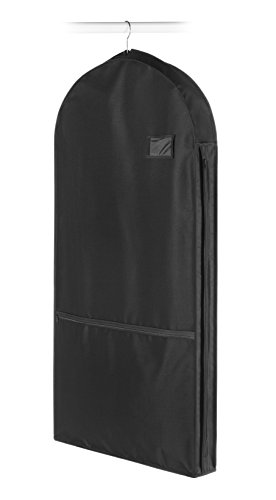
PREMIUM OXFORD FABRIC PROTECTION--Crafted from heavy-duty Oxford fabric with a water-repellent PVC coating, this garment bag helps protect clothing from dust, moisture and everyday wear. The durable construction is thicker and longer-lasting than standard non-woven garment bags while helping keep garments clean, dry and wrinkle-free.
Professional Tips to Protect Your Garments From Shrinking
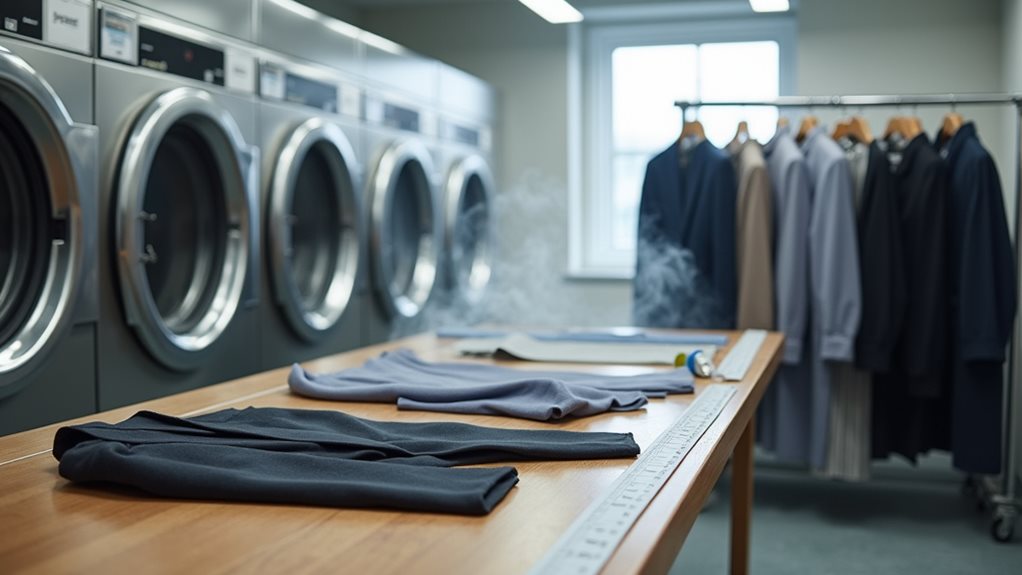
While understanding the science behind dry cleaning gives you confidence, taking proactive steps to protect your garments requires a partnership between you and your cleaner, something I learned after watching my favorite cashmere sweater come back slightly tighter than I remembered.
First, always read those care labels—they’re your garment’s autobiography, telling you exactly what delicate items need special attention.
When you find a reputable dry cleaner, communicate your shrinkage concerns upfront; they can adjust their methods accordingly.
Look for cleaners using eco-friendly processes that minimize heat exposure, since excessive temperatures cause most shrinkage problems.
Consider choosing dry cleaners that use safer alternatives like liquid CO2 or hydrocarbon solvents, which are gentler on both your clothes and the environment.
Don’t over-clean your clothes—sometimes a good airing does wonders.
Finally, proper storage between cleanings, hanging or laying items flat, maintains their shape and prevents unnecessary stress on fibers that could lead to shrinkage.