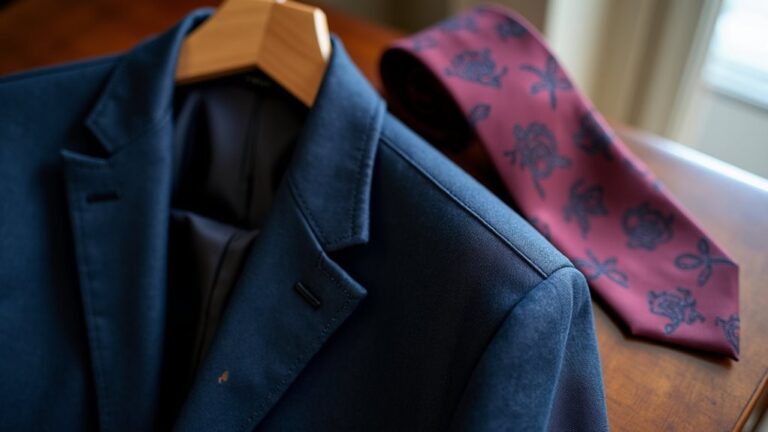
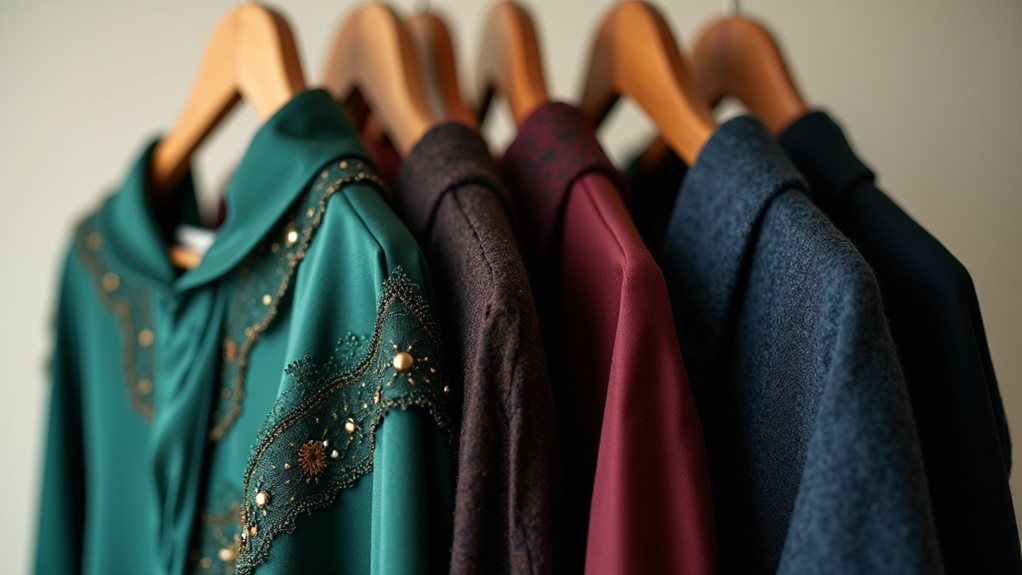

You’ll need dry cleaning when your garment’s care label specifically says “dry clean only,” particularly for delicate fabrics like silk, wool, cashmere, or leather that can’t handle water without shrinking or losing their shape. It’s also your best bet for structured pieces like blazers and suits that need to maintain their crisp lines, or when you’re facing stubborn, set-in stains that home washing can’t tackle—and trust me, there’s much more strategy behind these decisions.
Understanding Fabric Types and Care Labels
Before you toss that gorgeous silk blouse into your washing machine like I did with my favorite vintage dress years ago (spoiler alert: it didn’t end well 😅), take a moment to become best friends with those tiny care labels sewn into your garments.
These small but mighty tags hold the secret to keeping your clothes looking fabulous, telling you exactly whether something needs professional dry cleaning or can survive your home laundry routine.
Delicate fabrics like silk, wool, and leather typically wave their “dry clean only” flags for good reason, while sturdy materials like cotton and polyester usually welcome your washing machine with open arms.
Trust me, reading care labels before cleaning saves heartbreak, money, and those “oops” moments we’d rather forget.
Dry cleaning uses chemical solvents instead of water to safely remove dirt and stains while preserving your garment’s original texture, color, and structure.
Delicate Materials That Require Professional Treatment
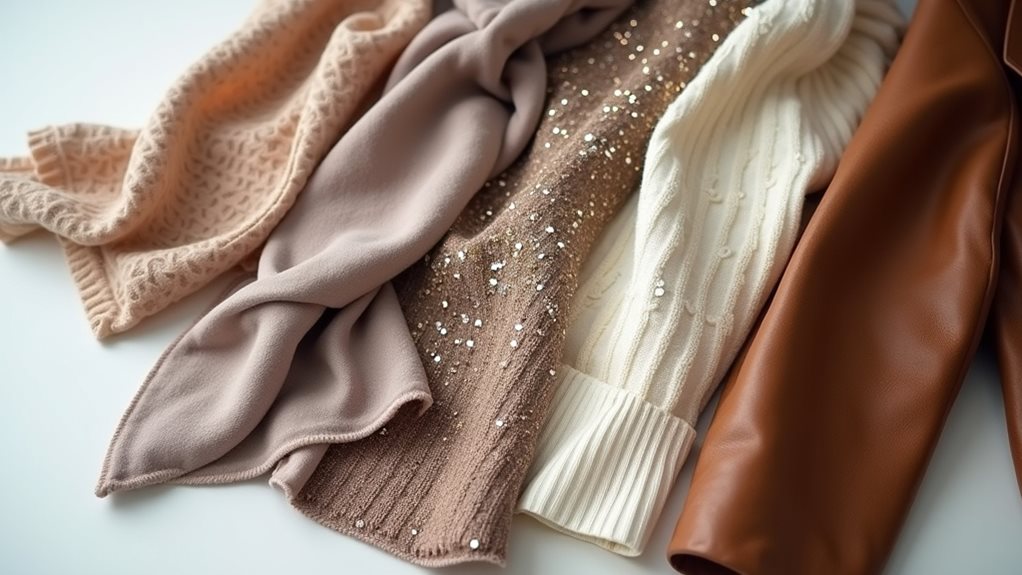
You’ll quickly discover that certain fabrics act like delicate flowers in your wardrobe, requiring the gentle touch of professional dry cleaning to maintain their beauty and integrity.
When I first learned this lesson the hard way with a gorgeous silk blouse that turned into expensive pajama fabric after one washing machine encounter, I realized that materials like silk, wool, leather, and suede aren’t just being high-maintenance – they’re actually protecting their structural integrity through specific care requirements.
Understanding which garments need professional treatment, from your favorite cashmere sweater to that perfectly customized blazer, will save you both heartbreak and money in the long run. 💸
Dry cleaning uses chemical solvents instead of water to remove stains and dirt while preserving fabric integrity, preventing the damage, shrinkage, or color bleeding that water-based washing often causes to these delicate materials.
Silk and Wool Care
When I first inherited my grandmother’s silk blouse, a stunning piece with intricate embroidery that she’d worn to special occasions for decades, I made the rookie mistake of tossing it in the washing machine with my regular laundry—and watched in horror as it emerged looking like a wrinkled, discolored shadow of its former self.
That expensive lesson taught me why silk and wool garments always come with those “dry clean only” labels that I used to ignore.
Here’s what professional dry cleaning protects:
- Silk’s delicate fibers from water damage and color bleeding
- Wool’s natural texture from shrinking and shape distortion
- Intricate details like embroidery, beading, or delicate construction
- Years of wear by maintaining the fabric’s original appearance and extending lifespan
Professional solvents remove stains effectively while preserving these precious materials. Cashmere and linen also fall into this category of delicate fabrics that benefit from professional dry cleaning to maintain their luxurious feel and appearance.
Leather and Suede Protection
The leather jacket I bought during my college years—thinking I looked incredibly cool despite my limited budget—taught me another painful lesson about fabric care after I decided to “spot clean” a small stain with water and watched it turn into a permanent dark blotch that made me look more like I’d been caught in a rainstorm than channeling my inner rebel.
Trust me, leather items and suede aren’t forgiving when you mess with them 😅.
These delicate fabrics require professional treatment because they’re incredibly sensitive to moisture, and attempting home cleaning can turn your beloved pieces into expensive mistakes.
Professional dry cleaners use specialized techniques and conditioning treatments that preserve texture and prevent cracking, something you simply can’t achieve scrubbing away in your kitchen sink.
Unlike water-based washing methods, chemical solvents used in dry cleaning effectively dissolve oils and stains while preserving the natural properties of leather and suede without causing the damage that water exposure inevitably brings.
Structured Garment Preservation
Although my wedding dress shopping experience taught me that not all fabrics are created equal, it wasn’t until I accidentally threw my favorite silk blouse into the washing machine—watching it emerge looking like a sad, wrinkled shadow of its former self—that I truly understood why structured garments need professional care 😔.
When you’re dealing with delicate fabrics, proper garment care becomes absolutely essential for maintaining their integrity and appearance:
- Silk blazers lose their lustrous sheen and develop permanent water spots when exposed to home washing.
- Wool suits shrink unevenly, creating awkward bunching around shoulders and sleeves.
- Velvet dresses develop crushing marks that flatten their signature texture permanently.
- Tailored coats lose their crisp lines and structured silhouette.
The gentle chemical solvents used in dry cleaning help preserve the shape, texture, and longevity of these delicate materials far better than water-based cleaning methods.
Skip dry cleaning at home—these treasures deserve professional expertise.
Structured Garments and Special Construction Features
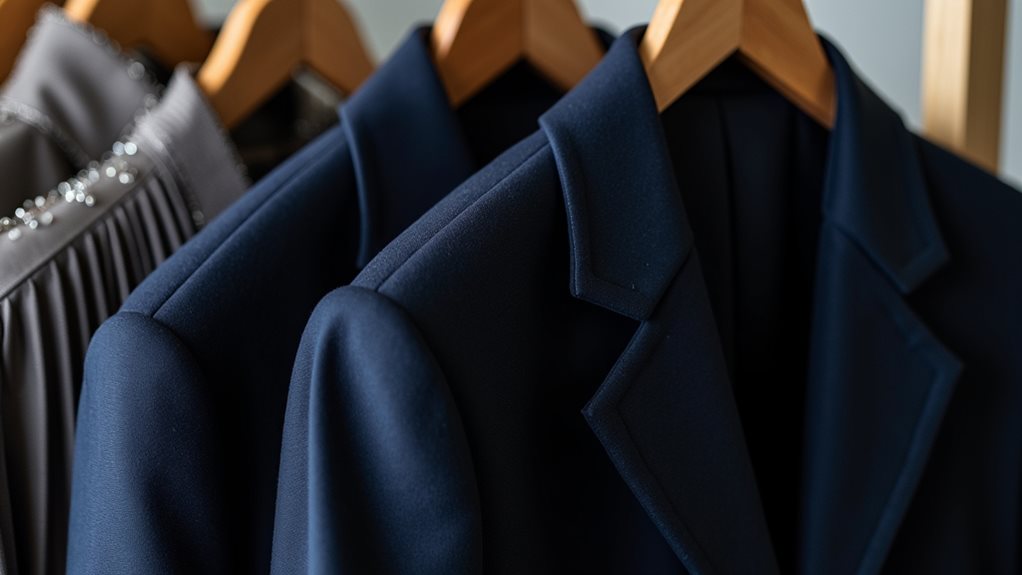
Two key characteristics will immediately tell you whether a garment belongs at the dry cleaner rather than your washing machine: structured construction and special design features that can’t survive a water-based wash cycle.
Your customized blazer with those crisp shoulder lines, that cocktail dress with built-in boning, or your wool suit jacket with padded shoulders – these structured garments demand special care because water would destroy everything that makes them look sharp and professional.
Water destroys the structured elements that give blazers, cocktail dresses, and suits their sharp, professional appearance.
I learned this lesson the hard way when I tossed my favorite structured blazer into the wash 😅, only to watch it emerge looking like a sad, shapeless cardigan.
The padding clumped, the shoulders collapsed, and the careful customization that once made me feel confident completely disappeared, leaving me with an expensive reminder that some garments must be dry cleaned.
Dry cleaning uses chemical solvents instead of water to preserve the fabric’s texture and color while maintaining the garment’s structural integrity.
Stain Assessment and Removal Considerations
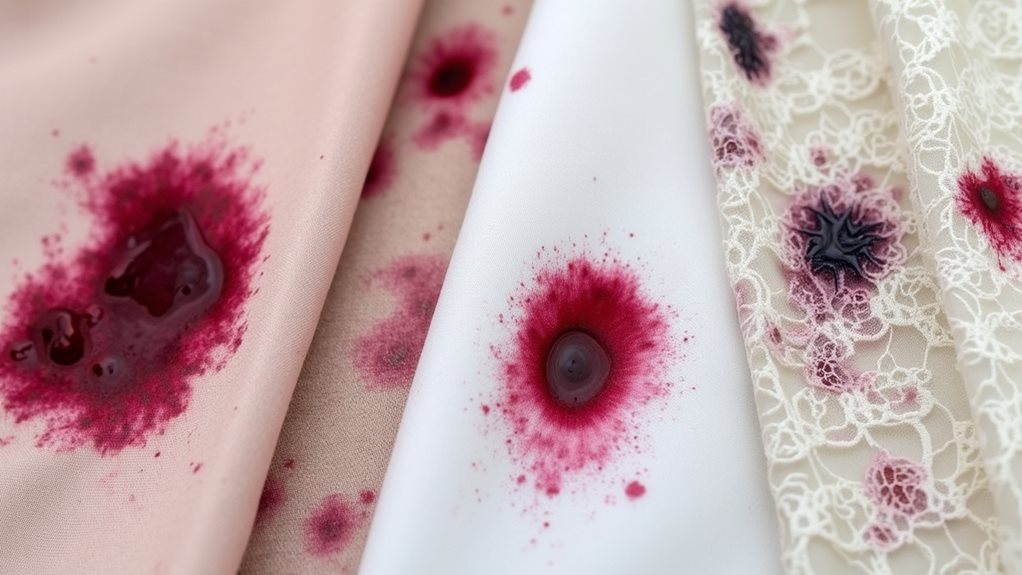
When you’re standing in your closet staring at that red wine stain on your favorite silk blouse, the clock starts ticking immediately because fresh stains are infinitely easier to tackle than ones that have had time to bond with the fabric fibers.
Quick stain assessment becomes your first line of defense, helping you determine whether you’re dealing with an oil-based culprit, a water-based mishap, or a protein-based disaster.
Here’s your stain assessment checklist:
- Identify the stain type – grease needs different treatment than coffee
- Check the fabric care label – delicate fabrics require gentle handling
- Evaluate the stain’s age – older stains often need professional intervention
- Consider the garment’s value – when in doubt, choose professional cleaning over risky home remedies
Blood stains require immediate attention and professional treatment with specialized solvents that can break down the protein-based structure that makes these stains particularly challenging to remove at home.
Cost-Benefit Analysis for Garment Value
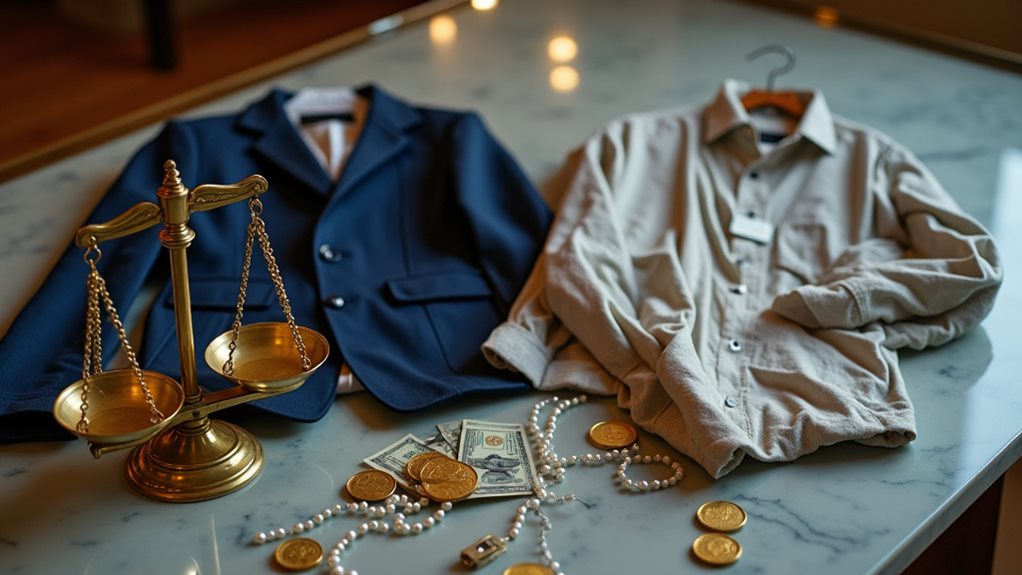
When you’re staring at that $300 blazer wondering if dry cleaning costs are worth it, remember that protecting high-end garments often pays for itself in the long run, especially when you consider how much you’d spend replacing a ruined piece.
I learned this the hard way after trying to “save money” by washing my favorite cashmere sweater at home – let’s just say it now fits my niece perfectly 😅, and buying a replacement cost me three times what professional cleaning would have.
The key is weighing your budget against quality preservation, because while a $20 shirt mightn’t justify frequent dry cleaning, that customized suit or designer dress deserves the investment to maintain its long-term value and keep you looking sharp for years to come.
Unlike regular washing, chemical solvents used in dry cleaning can dissolve oil-based stains and lift dirt without causing the shrinkage, color bleeding, or fabric damage that water-based cleaning would inflict on delicate materials.
High-End Garment Protection
Although the sticker shock of dry cleaning bills might make you wince at first, investing in professional care for your high-end garments actually makes brilliant financial sense when you crunch the numbers.
Think of it this way—you wouldn’t neglect oil changes on a luxury car, right? Your designer pieces deserve the same thoughtful maintenance.
Here’s why dry cleaners use specialized techniques that protect your investment:
- Silk blouses maintain their lustrous sheen instead of becoming dull and brittle from harsh detergents
- Wool suits keep their fitted structure rather than shrinking into unwearable shapes
- Evening gowns preserve their original drape and elegant silhouette through gentle solvents
- Cashmere sweaters retain their cloud-like softness without pilling or stretching
The chemical solvents used in dry cleaning are particularly effective at removing oil-based stains that traditional water washing simply cannot eliminate.
Always check care instructions on delicate fabrics—your wallet will thank you later!
Budget Vs Quality
You’ll want to create a simple rule: dry clean items worth more than ten times the cleaning cost, or pieces you’d cry over losing.
That cashmere sweater from your grandmother? Absolutely worth the $15 investment.
Your everyday cotton work shirt? Home washing wins every time.
Think of dry cleaning as insurance for your wardrobe’s MVPs, protecting investments that matter most to your style and budget.
Consider bundling items together when you do decide to dry clean, as many cleaners offer discounts for multiple pieces processed at once.
Long-Term Investment Returns
Since understanding the true mathematics behind garment care can transform how you view every clothing purchase, let’s explore the real numbers that separate smart shoppers from those constantly replacing their favorite pieces.
When you dry clean your investment garments regularly, you’re fundamentally protecting your wallet from future expenses that’ll make you wince.
Here’s what smart long-term investment thinking looks like:
- Your $800 wool suit lasting 8 years instead of 3 through proper dry cleaning maintenance
- Delicate fabrics like silk blouses retaining their lustrous sheen rather than becoming dull, shapeless disasters
- Cashmere sweaters maintaining their softness instead of turning into scratchy reminders of poor care choices
- Professional appearance staying consistently sharp without emergency shopping trips before important meetings
You’ll discover that consistent dry cleaning transforms expensive pieces into cost-per-wear champions.
Alternative Cleaning Methods and When to Use Them
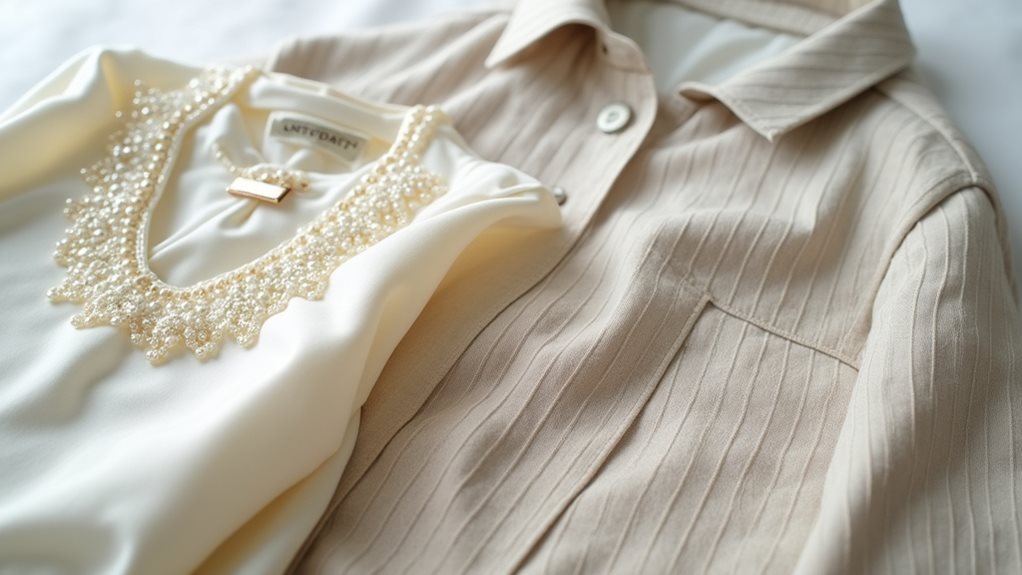
While dry cleaning remains the gold standard for certain fabrics, there are several alternative cleaning methods that can save you money, time, and trips to the cleaners when used appropriately.
Hand washing works beautifully for delicate fabrics like silk blouses or wool sweaters – I learned this after accidentally shrinking my favorite cashmere cardigan in the machine (rookie mistake!).
For everyday items, spot cleaning with gentle detergent can tackle minor stains without a full wash cycle.
Steam cleaning refreshes garments between wears, especially suits you’ve worn briefly.
Home dry cleaning kits offer convenience for lightly soiled items, though they’re not miracle workers.
The key is matching your cleaning method to your garment’s needs, fabric sensitivity, and how much TLC you’re willing to invest. 💫